


Rising up at Night
Kinshasa and its inhabitants are in darkness. They wait and struggle to get access to light. Between hope, disappointment and religious faith, Rising Up At Night is a subtle and fragmented portrait of a population that, despite the challenges, is sublimated by the beauty of Kinshasa's nights.
“an almost ethereal experience through editing, gorgeous cinematography and an intuitive, haunting score" - Business Doc Europe

Pandora's Legacy
A journey through the family universe of GW Pabst, giant of early cinema, told
through the eyes of the woman who was his great love and lifelong partner:
Trude Pabst. A film about dream and trauma, and about why we become who
we are.
"It’s fascinating to hear the letters Georg and Trude wrote to one another when they were young, it becomes mesmerising when his next of kin discuss him in detail, separating the myths from their precious recollections. Pandora's Legacy looks at film history from a different angle – how rare and precious!" - Int. Film Fest Rotterdam
Intercepted
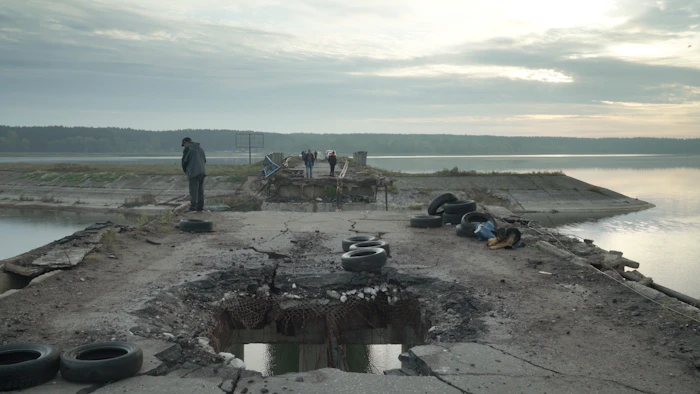
Sound and image stare each other in the face as Intercepted contrasts quiet compositions of everyday life of Ukrainians since the full-scale invasion with intercepted phone conversations between Russian soldiers and their families.
“Terrific... An austere and harrowing chronicle of life, death and indifference" - The New York Times
A Fidai Film
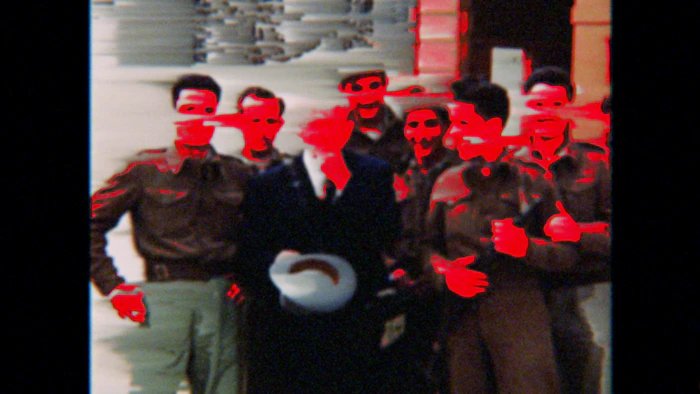
In the summer of 1982 the Israeli army invaded Beirut. During this time it raided the Palestinian Research Center and looted its entire archive. The archive contained historical documents of Palestine, including a collection of still and moving images. Taking this as a premise, A Fidai Film explores the visual memory of this looting and appropriates images now in the hands of Israeli archives.
"A gesture of anger and struggle in action and a restitution of a distorted or erased memory, A Fidai Film lays claim to a form of cinematographic sabotage, a resistance-fighter film as the title unequivocally indicates" - FID Marseille

After the Snowmelt
During a trek through the Himalayan mountains, a couple, Chun and Yueh, become trapped in a cave for 47 days. The tragic outcome of this expedition leads Lo Yi-Shan on a personal filmed quest to follow in the footsteps of their missing best friend, Chun, and their unconditional relationship. A poignant tale about bereavement and the slow process of healing.
"a work of deep personal reckoning....film-making emerges as a cathartic gesture of remembrance" - Guardian